
In Vitro Fertilization (IVF)
In Vitro Fertilization (IVF)
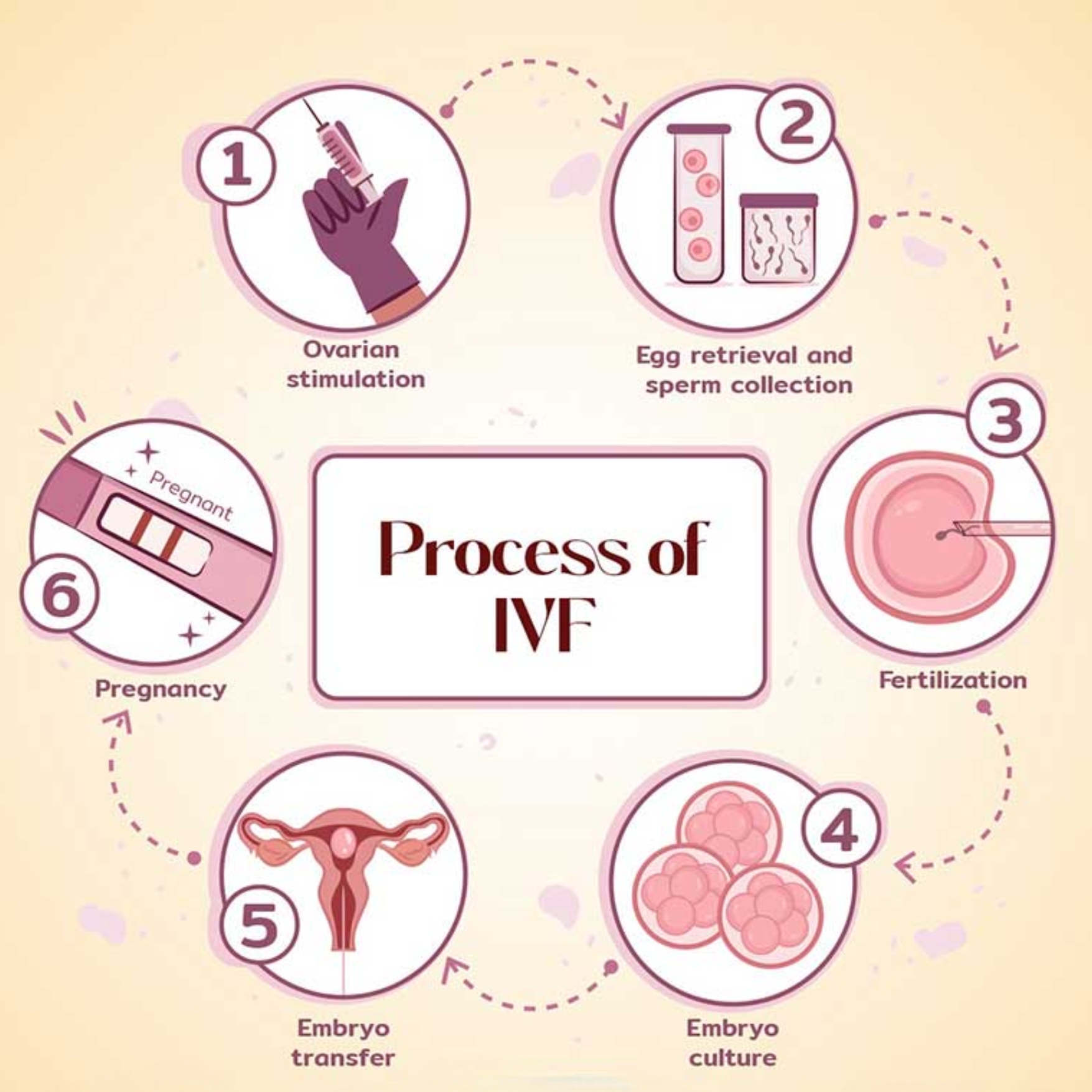
In vitro fertilization, is the most effective form of assisted reproductive technology (ART) that involves fertilizing the eggs with a sperm in a laboratory setting. Essentially fertilization takes place in the woman’s fallopian tube, but in IVF the egg is fertilized in the petri dish, after which it is transferred into the woman’s womb.
The procedure can be done using your own eggs and your partner’s sperm. It may also involve eggs, sperm or embryos from a known or anonymous donor and in some cases, a gestational carrier i.e. a woman who has an embryo implanted in her uterus might be used (surrogacy).
The pregnancy test is usually performed two weeks after the embryo transfer.
IVF can help Infertile Patients with the following
Women with bilateral tubal block
Women suffering from moderate to severe endometriosis
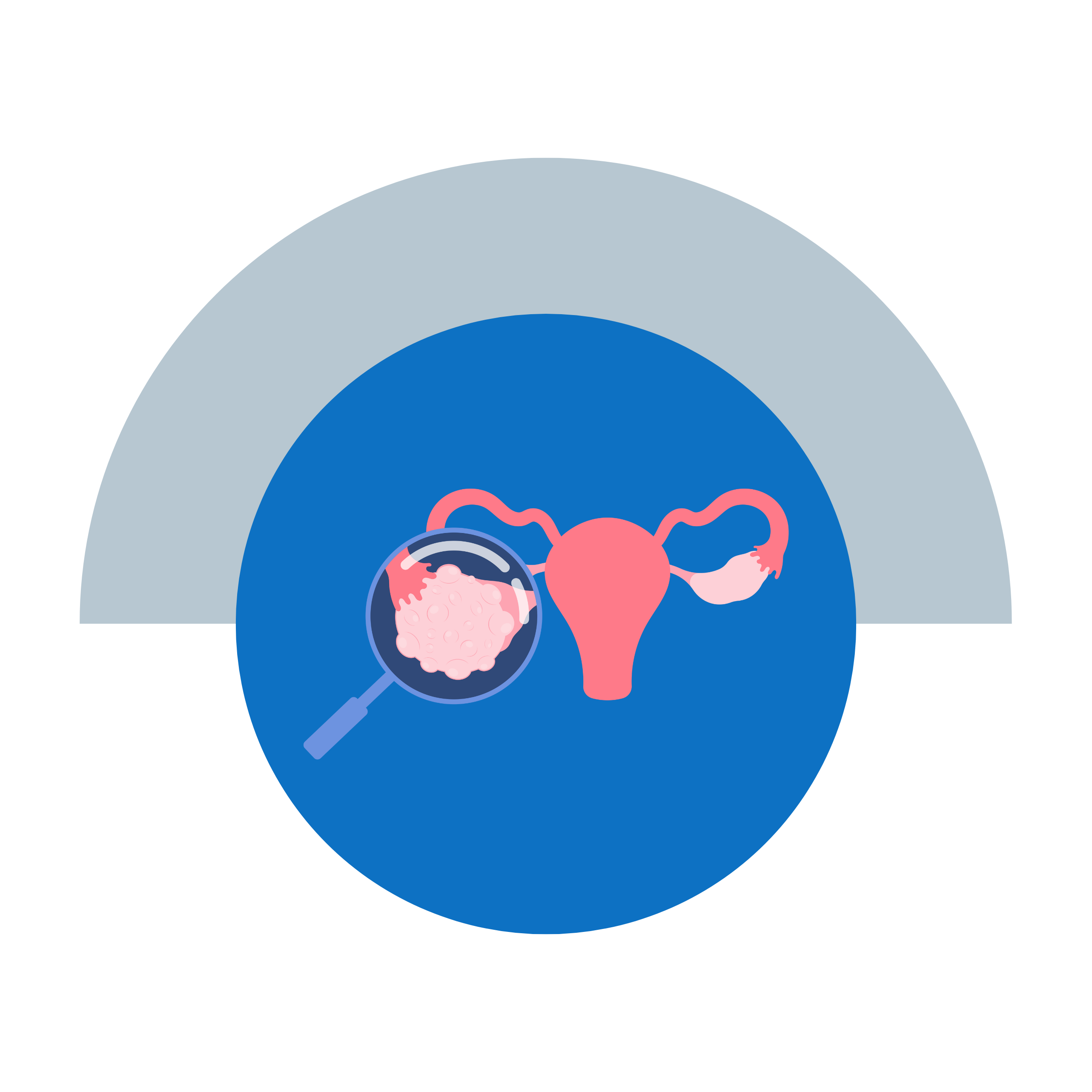
Women suffering from Polycystic Ovarian Syndrome (PCOS)
Blocked or damaged fallopian tubes
Men with low sperm count/mobility
Steps Involved in IVF
In vitro fertilization (IVF) involves several steps namely ovulation induction, egg retrieval, sperm retrieval, fertilization and embryo transfer.
Ovulation Induction
If you’re using your own eggs during IVF, synthetic hormones will be used to stimulate your ovaries to produce multiple eggs, rather than the single egg. Multiple eggs are needed because some eggs won’t fertilize or develop normally after fertilization.
Ovulation Induction requires you to take different medications, such as:
- Medications for ovarian stimulation. To stimulate your ovaries, medicine like follicle-stimulating hormone (FSH), a luteinizing hormone (LH) or a combination of both are used.
- Medications for oocyte maturation: Follicles are ready for egg retrieval usually after eight to fourteen days. After this, human chorionic gonadotropin (HCG) is injected to help the eggs mature.
- Medications to prevent premature ovulation: These medications prevent your body from releasing the developing eggs too soon.
Egg Retrieval
Egg retrieval is performed after 34 to 36 hours after the final injection and before ovulation. Transvaginal ultrasound aspiration is used for retrieval.
In this, an ultrasound probe is inserted into your vagina to identify follicles, after which a thin needle is inserted into the vagina and follicles to retrieve the eggs.
If your ovaries aren’t accessible through transvaginal ultrasound, abdominal surgery or laparoscopy is done. In this procedure, a tiny incision is made near the navel and eggs are removed from the follicles, mature eggs are then incubated.
Healthy eggs will be mixed with sperm to attempt to create embryos. However, not all eggs may be successfully fertilized.
Sperm Retrieval
If your partner’s sperm, is used, he’ll provide a semen sample will be taken. Other methods, such as testicular aspiration which uses a needle or surgical procedure to extract sperm directly from the testicle. Sperms are separated from the semen fluid in the lab.
Fertilization can be attempted using two common methods:
- Insemination: During insemination, healthy sperm and mature eggs are mixed and incubated overnight
- Intracytoplasmic sperm injection (ICSI): In ICSI, a single healthy sperm is injected directly into each mature egg.
- ICSI is often used when semen quality or number is a problem or if fertilization attempts during prior IVF cycles failed.
Embryo Transfer
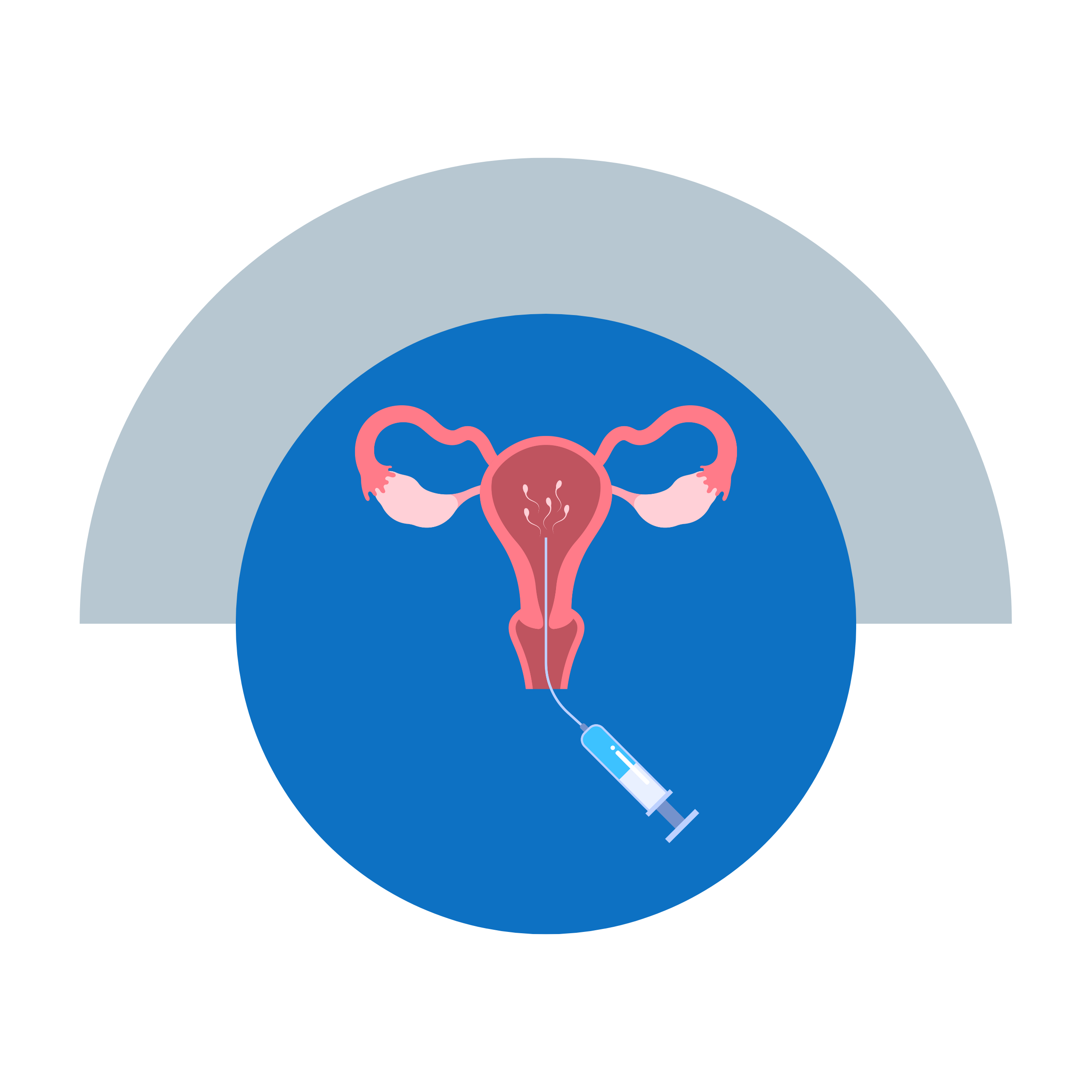
Embryo transfer takes place two to six days after egg retrieval. In this process a long, thin, flexible tube is inserted into the vagina, Then a syringe containing one or more embryos is attached to the end of the catheter. If successful, an embryo will implant in the lining of your uterus about six to 10 days after egg retrieval.
Assisted Hatching
In this process, the outer shell of the egg (zona) is thinned to improve the success rate of infertile couples.
Less thickness ensures that the embryonic cells can hatch out.
This treatment is generally advised to women above the age of 35 and those with repeated IVF and ICSI failures.
During the IVF procedure, the surrounding shell of the embryos hardens when it is cultured or treated in a laboratory.
At the blastocyst stage of embryos, it needs to escape from zona pellucida (a soft outer shell on human embryos).
The Laser Hatching is used to make a small hole in the zona using a laser.
It is an additional IVF lab technique, specially designed to enhance the pregnancy rate.
The laser hatching technique enables implantation into the uterus and increases the chances of pregnancy.
Especially in the case of older women, where the zona tends to be thickened and in women who faced IVF failure previously, this hatching technique is very useful.
Laser hatching technique does not have any disadvantage and will harm your embryo in any way.
Our Treatments



Quick Links
Emergency Calls:
Copyright © 2024. All rights Reserved By SV Hospital