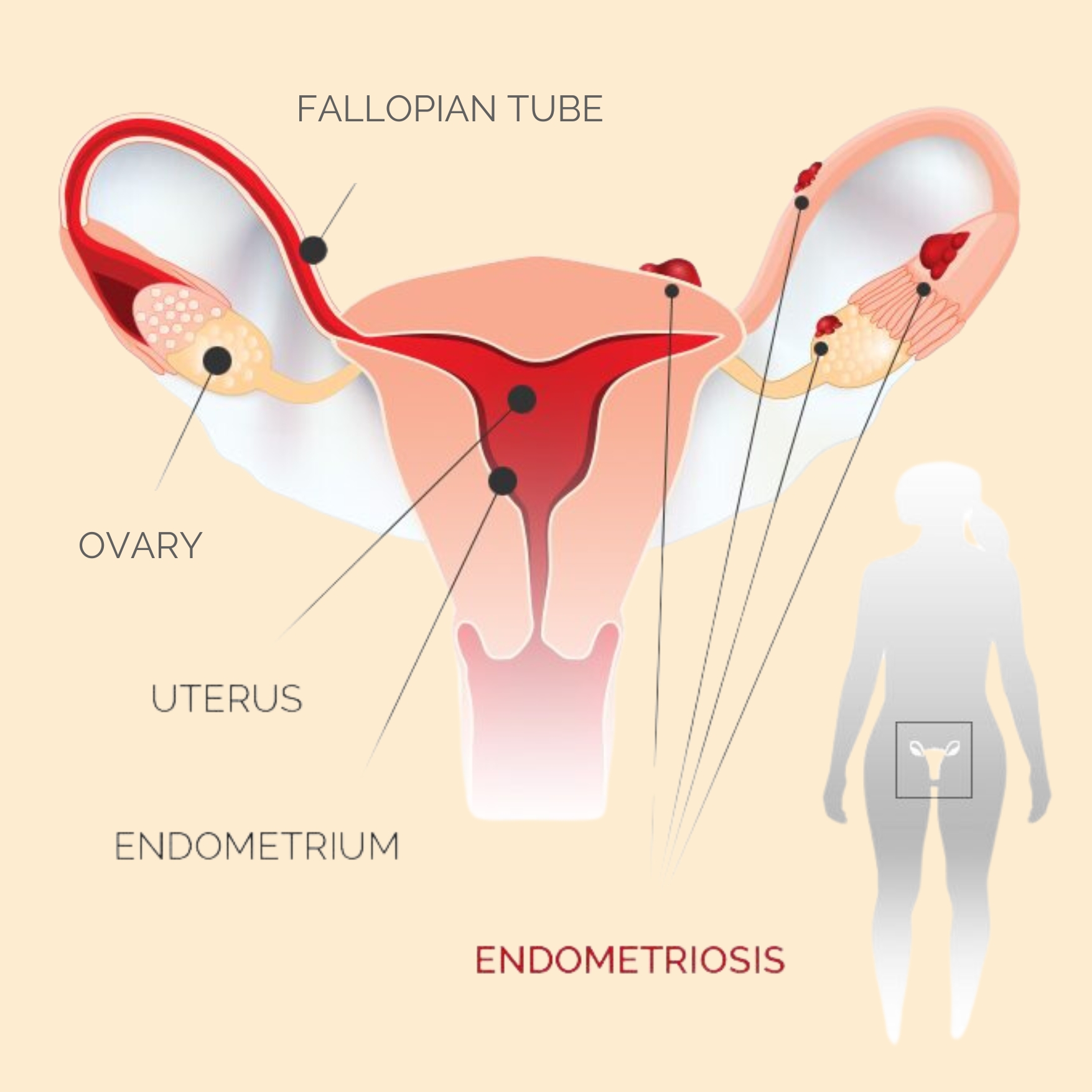
Many women have endometriosis with no symptoms or problems but this is not always the case.
Common symptoms of endometriosis include:
period pain
Pain With Sex
pelvic pain at other times of the menstrual cycle
back pain
low energy
pain passing a bowel motion.
How is Endometriosis Diagnosed?
A discussion about your symptoms and a physical examination should provide your doctor with enough information to determine if you might have endometriosis.
If your doctor thinks you may have endometriosis they will most likely recommend you have an ultrasound.
This will usually be able to show if you have lumps (nodules) of suspected endometrium growing near or into your bowel and bladder.
A definitive diagnosis can only be made if you have a laparoscopy (keyhole surgery).
A tiny incision is made in your abdomen and a small sample of tissue taken.
Tests done on the tissue will confirm if it is endometrium or not.
Based on the severity of your symptoms, your doctor will plan the best treatment for you.
There are currently no non-invasive tests for endometriosis available in Australia.
Endometriosis and Fertility
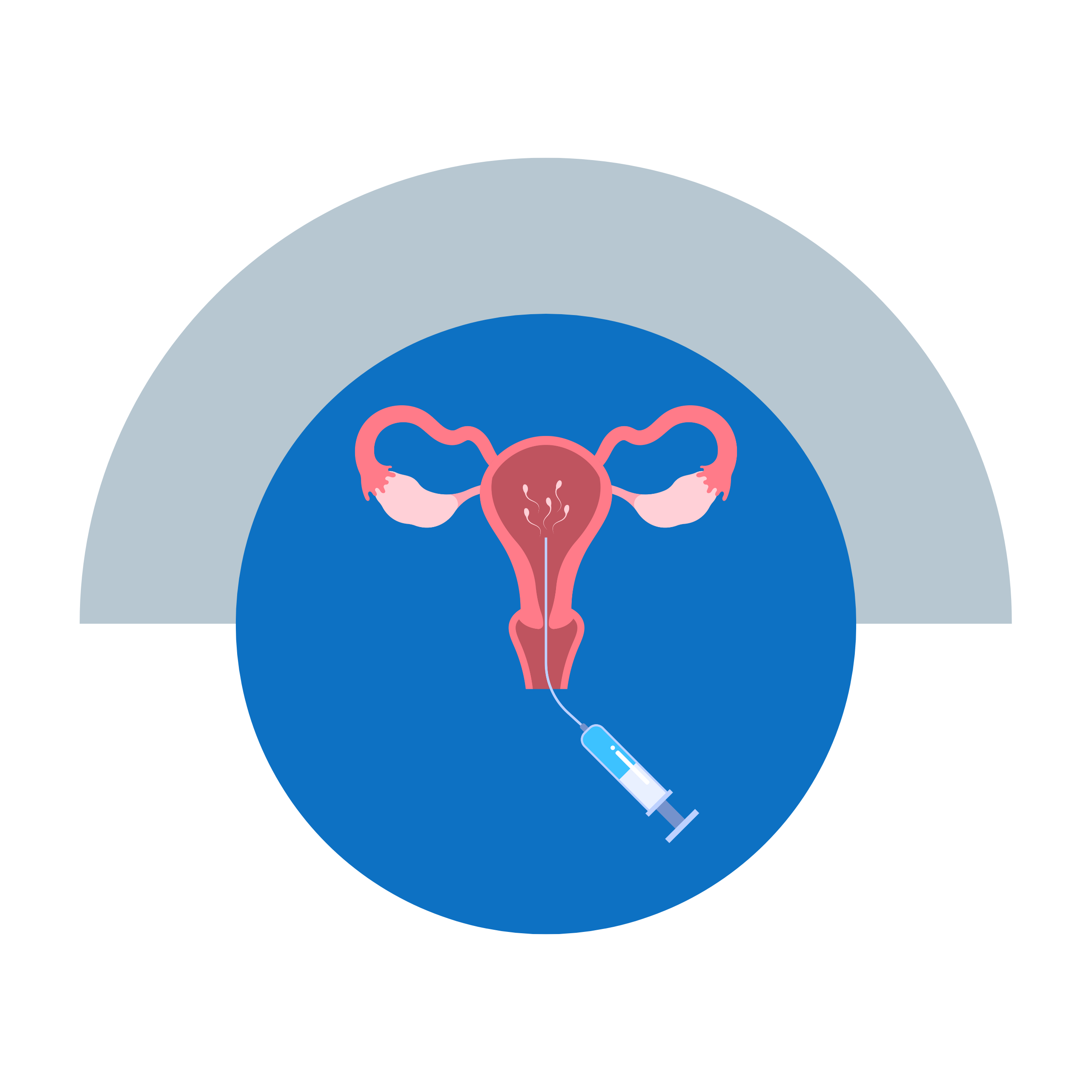
There are many reasons why a couple may be infertile. Endometriosis is sometimes found in women who are having trouble getting pregnant. In a minority of these women, scar tissue caused by the endometriosis will have caused a blockage of the fallopian tubes.
However, in most women, it is not clear why endometriosis affects their fertility. Theories include that the endometriosis: