Blastocyst culture is an advanced IVF technique to increase the pregnancy rate and decrease multiple pregnancy rates.
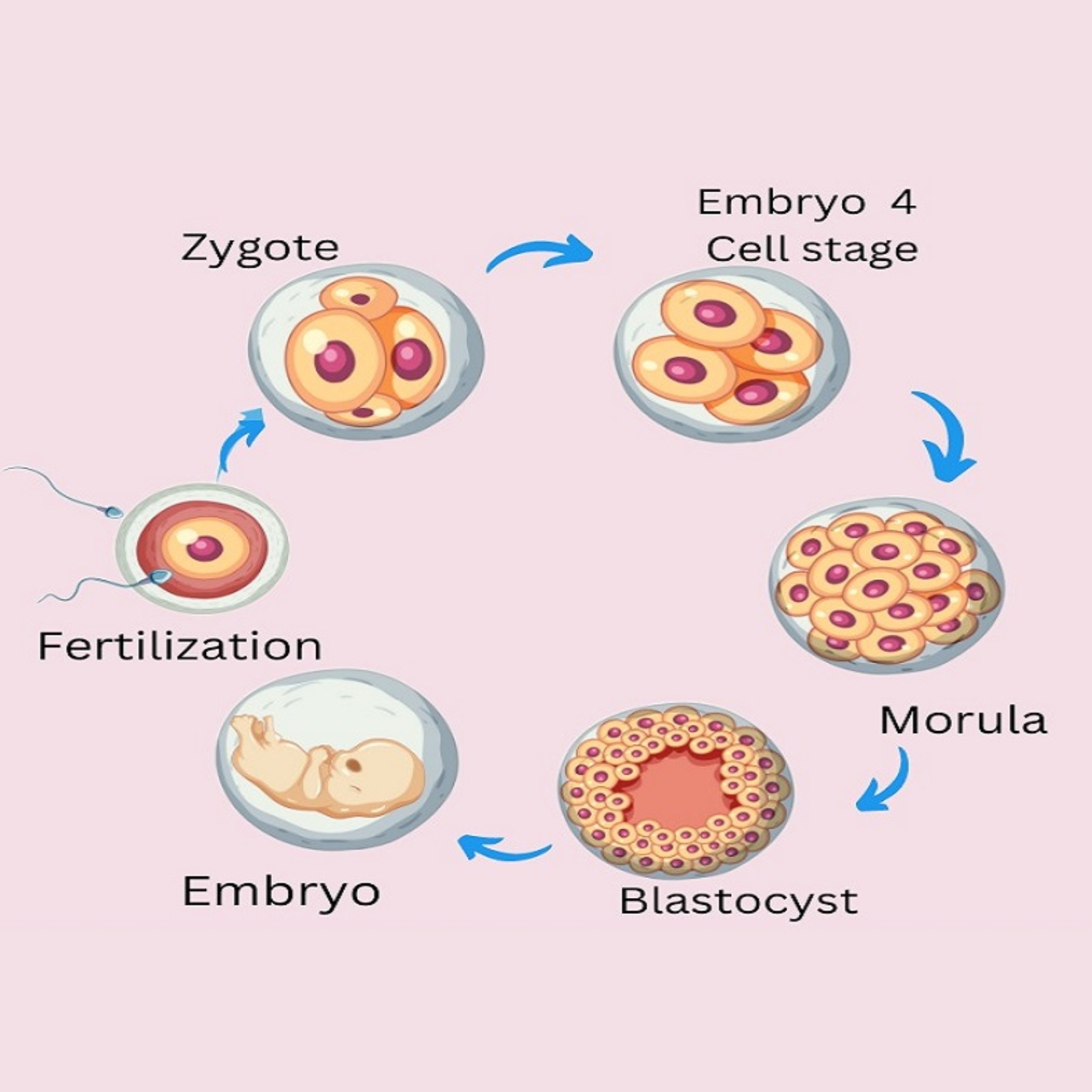
Normally after the egg retrieval process, fertilized eggs convert into embryos after three or four days in the laboratory.
With the help of advanced biological science and research, it is now possible to grow embryos to their blastocyst stage in the laboratory.
The survival period of each embryo is approximately three days and after that, it must achieve its own genes to survive, which is not possible for all embryos.
About one- third embryos reach the blastocyst stage which is highly developed and have a higher rate of implantation.
The blastocyst culture technique helps the embryologist to choose few stronger and healthier embryos that have a higher capability to achieve pregnancy and thus reduce the chances of multiple pregnancies.
Blastocyst culture is not beneficial for all IVF patients and is successful for those who are younger and have a larger number of eggs at the time of the retrieval process.
What’s so special about
blastocyst culture in an IVF setting?
Standard practice in IVF involves the replacement of embryos into the uterus after 3 days when the embryos are at the cleavage stage of development. Blastocyst transfer, however, involves extending the period that the embryos are cultured in the laboratory to 5 or 6 days.
Why extend the time that the embryos are cultured in the laboratory? It is known that a lot of embryos are destined to arrest at early stages so extended culture allows the embryologist to identify which (if any) of a group of embryos have the best potential for implantation by identifying those which form a normal blastocyst in culture. Transferring embryos at the blastocyst stage also provide better coordination between the embryo and the uterus by putting the embryo back in the right place (the uterus) at the right time (blastocyst stage).
What are the benefits of blastocyst culture? Overall, if you have a normal blastocyst for transfer on day 5, the chances of pregnancy are higher (in our hands) than if you have embryos transferred on day 3. HOWEVER, the chances of having NO embryos for transfer at all are also higher.